Optimal Timing for Steep Terrain Landscaping
Timing is crucial for successful steep terrain landscaping projects. The optimal period depends on climate conditions, soil stability, and project scope. Proper planning ensures safety, durability, and aesthetic appeal, minimizing disruptions caused by weather or environmental factors.
Spring offers moderate temperatures and increased soil moisture, ideal for planting and soil stabilization on steep slopes.
Fall provides cooler weather and less rainfall, reducing erosion risks during landscaping work.
Periods with minimal rainfall help prevent soil washout and facilitate construction activities on steep terrains.
Timing projects after dry weather or between seasonal storms ensures better soil stability and reduces erosion risks.
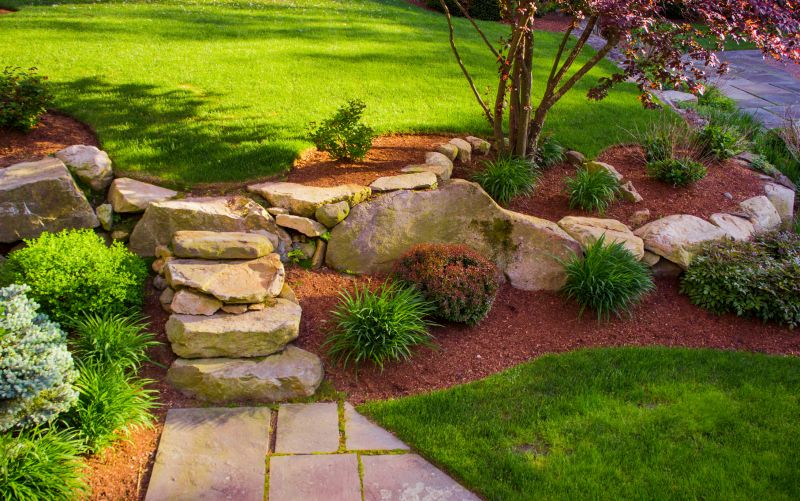
Ways to make Steep Terrain Landscapings work in tight or awkward layouts.
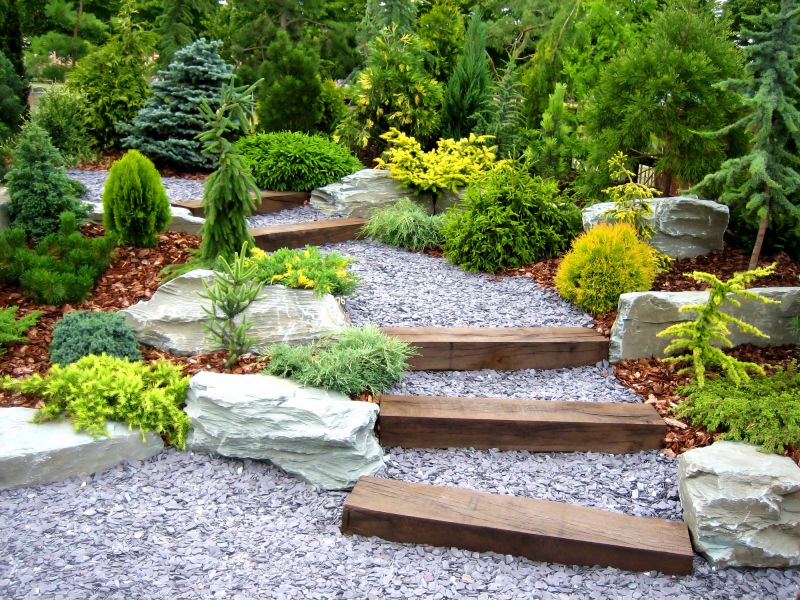
Popular materials for Steep Terrain Landscapings and why they hold up over time.
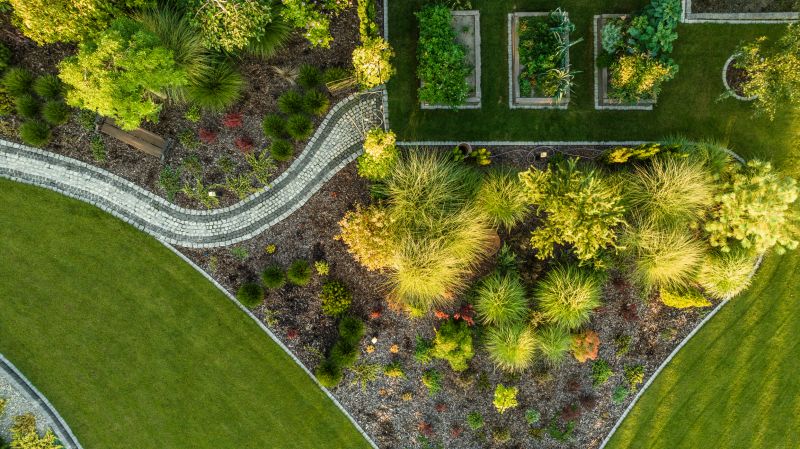
Simple add-ons that improve Steep Terrain Landscapings without blowing the budget.
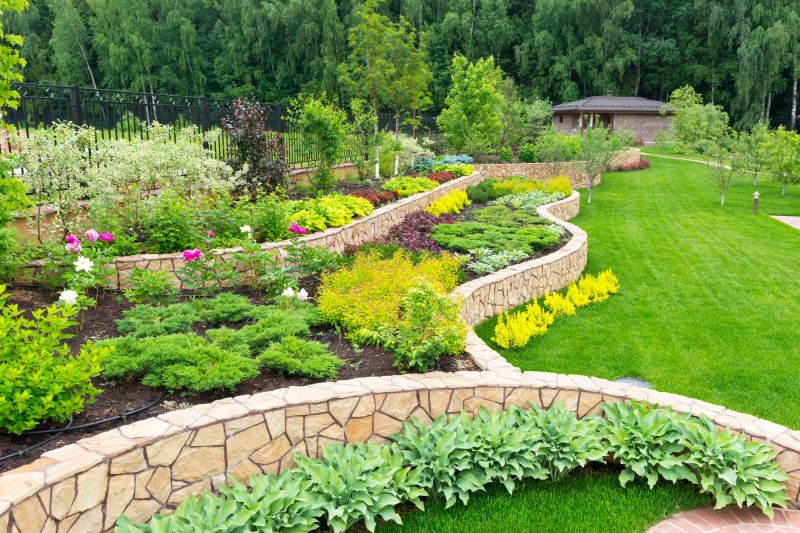
High-end options that actually feel worth it for Steep Terrain Landscapings.
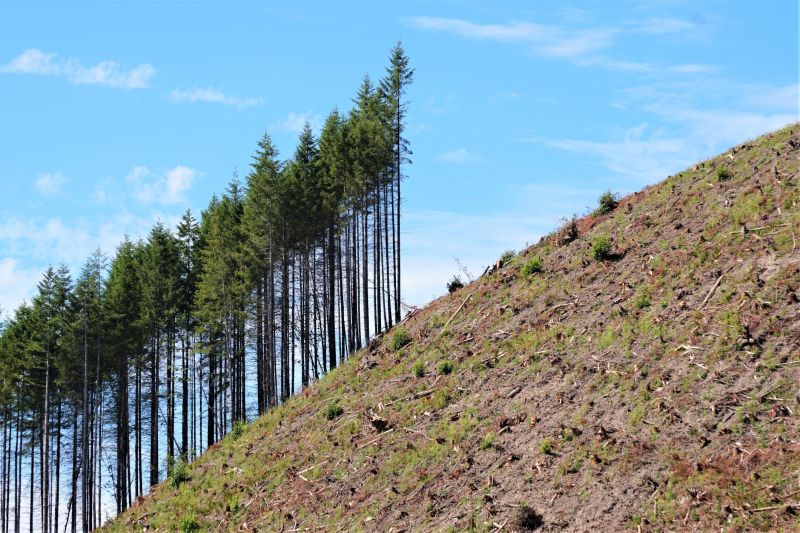
Finishes and colors that play nicely with Steep Terrain Landscapings.
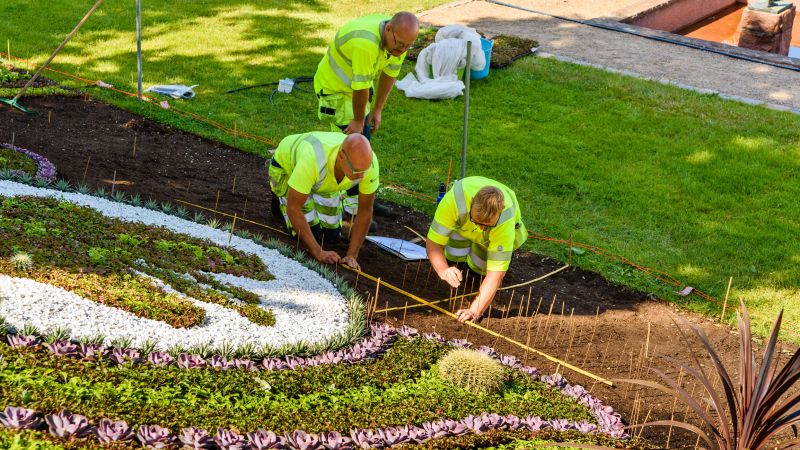
Little measurements that prevent headaches on Steep Terrain Landscapings day.
| Season or Condition | Ideal Timing Rationale |
|---|---|
| Spring | Optimal for planting and soil stabilization due to moderate temperatures and moisture. |
| Fall | Suitable for landscaping due to cooler weather and reduced erosion risk. |
| Dry Periods | Best for construction activities with minimal soil washout. |
| Post-Weather Events | Allows stabilization after storms or heavy rainfall. |
| Summer | Less ideal due to high temperatures and potential drought conditions. |
| Winter | Generally unsuitable due to freezing temperatures and soil hardness. |
Steep terrain landscaping involves modifying slopes to improve stability, aesthetics, and usability. Techniques include terracing, retaining walls, and planting ground cover to prevent erosion. Proper timing enhances project success by aligning with weather patterns and soil conditions, reducing risks associated with erosion, soil instability, and plant survival.
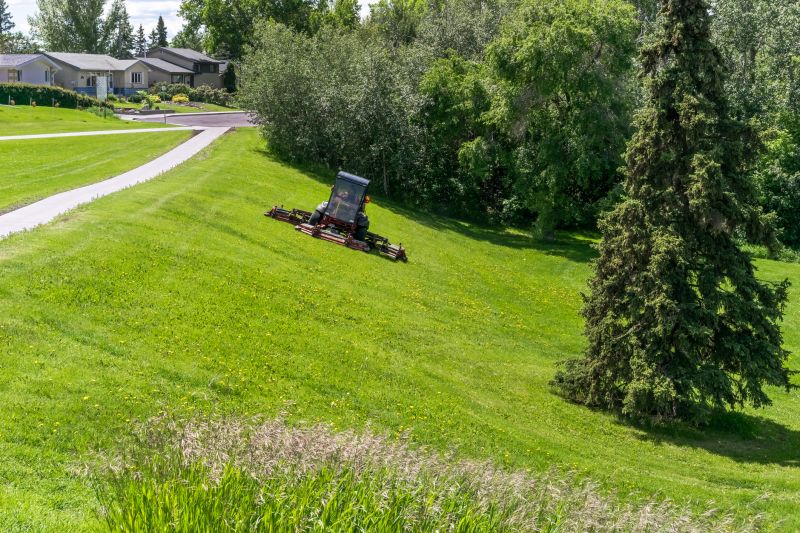
A 60-second routine that keeps Steep Terrain Landscapings looking new.
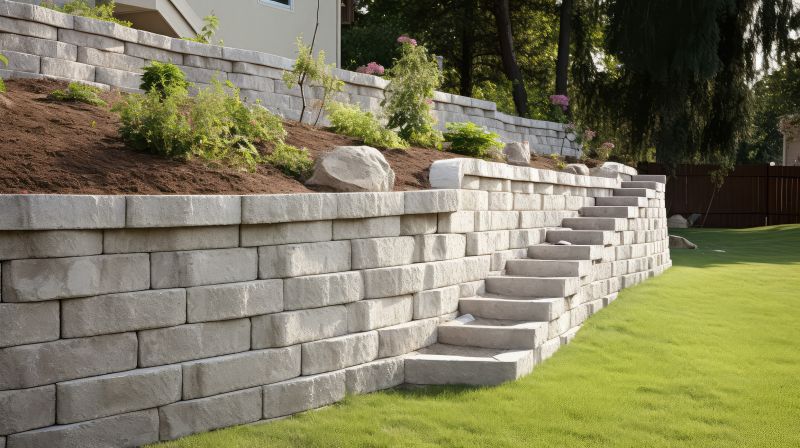
A frequent mistake in Steep Terrain Landscapings and how to dodge it.
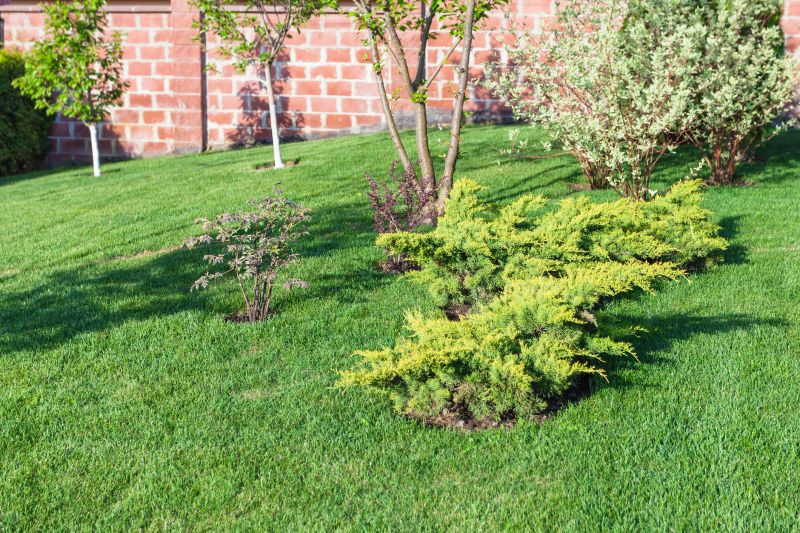
Small tweaks to make Steep Terrain Landscapings safer and easier to use.
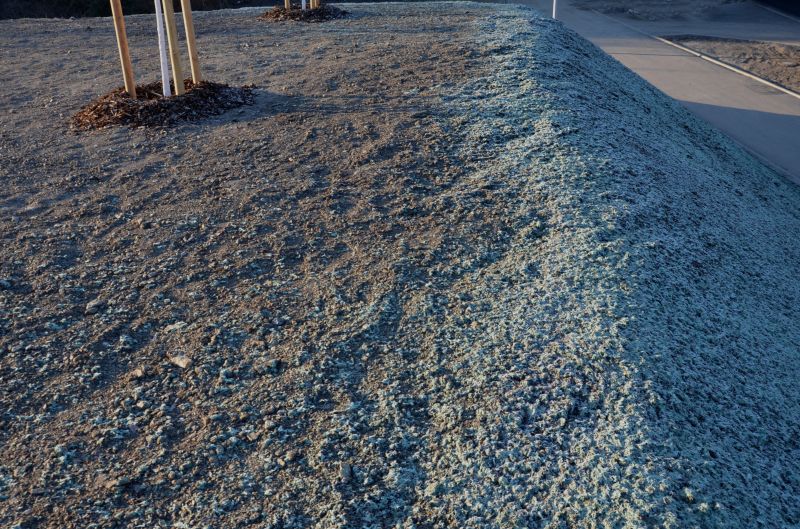
Lower-waste or water-saving choices for Steep Terrain Landscapings.
Understanding the seasonal and environmental factors influencing steep terrain landscaping can lead to more effective and enduring results. Planning projects during favorable periods minimizes erosion, soil displacement, and plant loss, ensuring landscape stability and visual appeal over time.
Interested in planning a steep terrain landscaping project? Filling out the contact form can provide tailored guidance and support for optimal timing and techniques suited to specific site conditions.